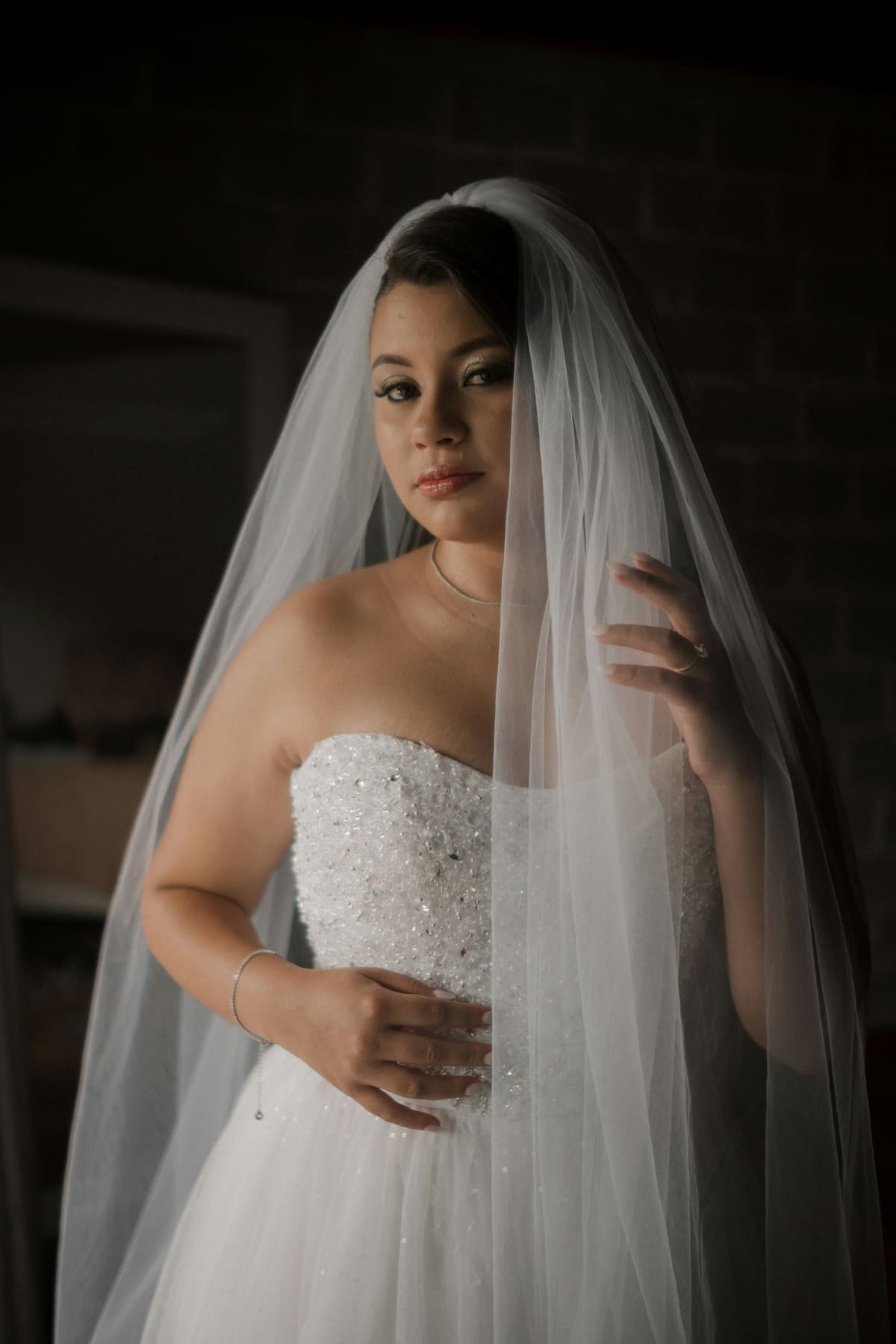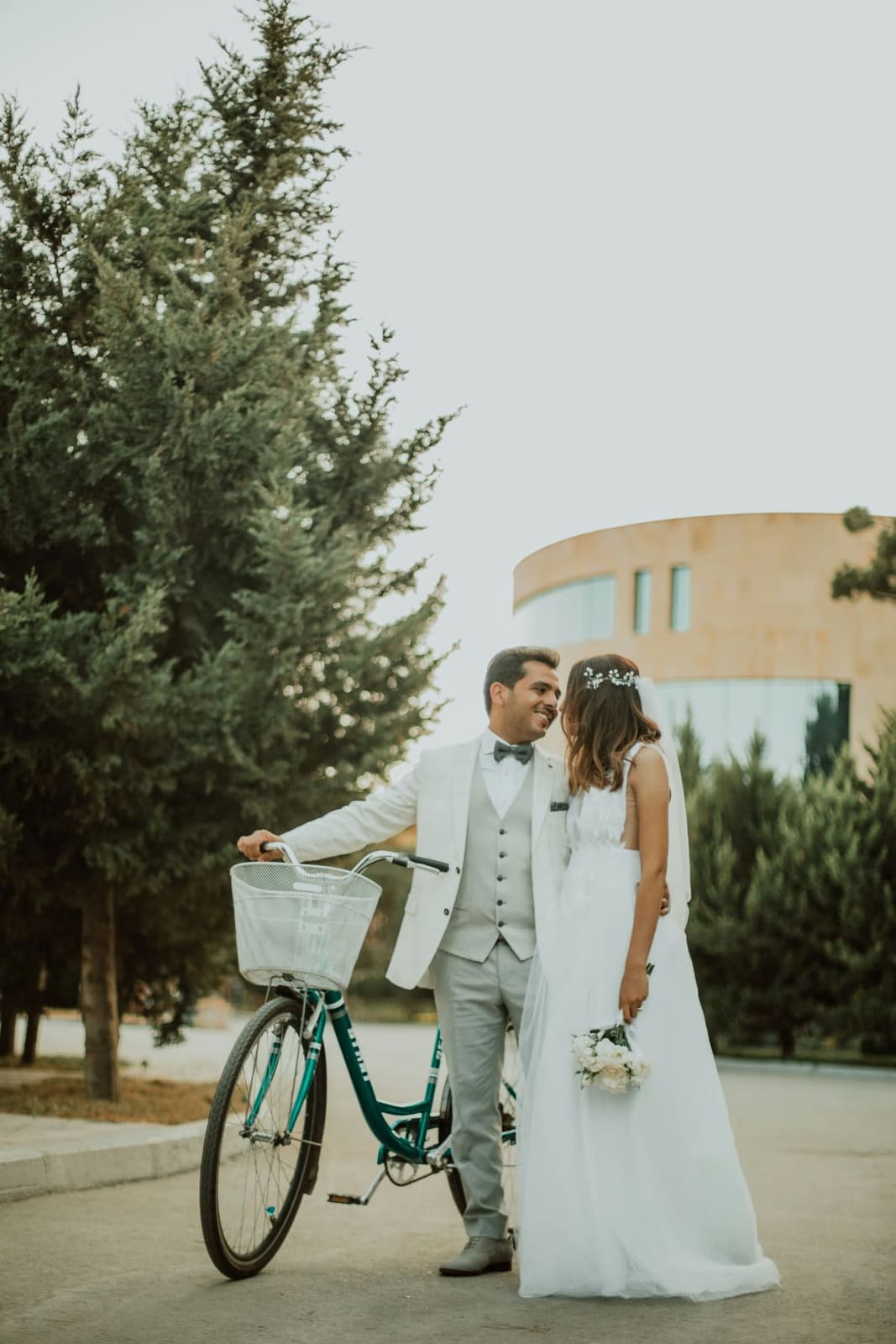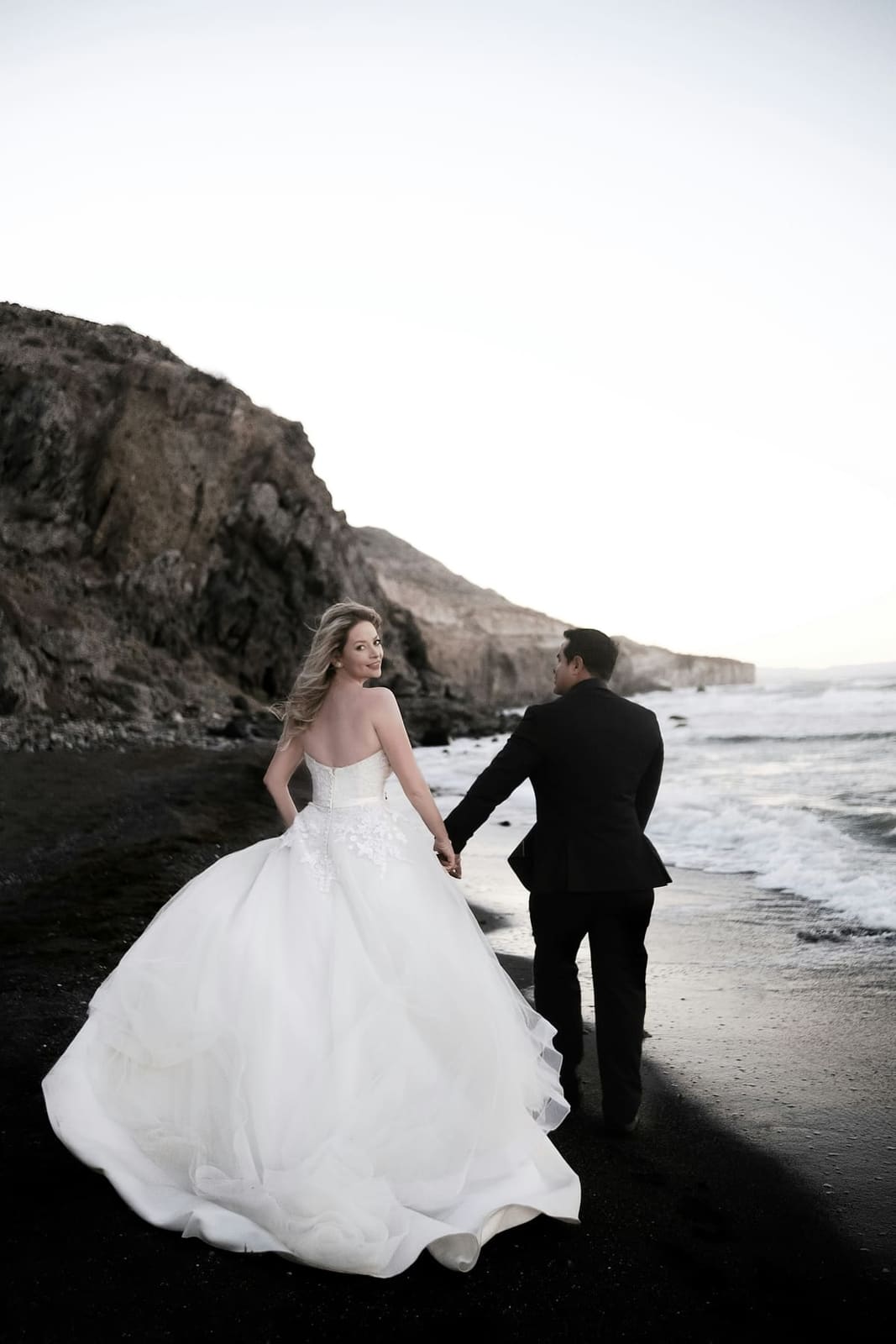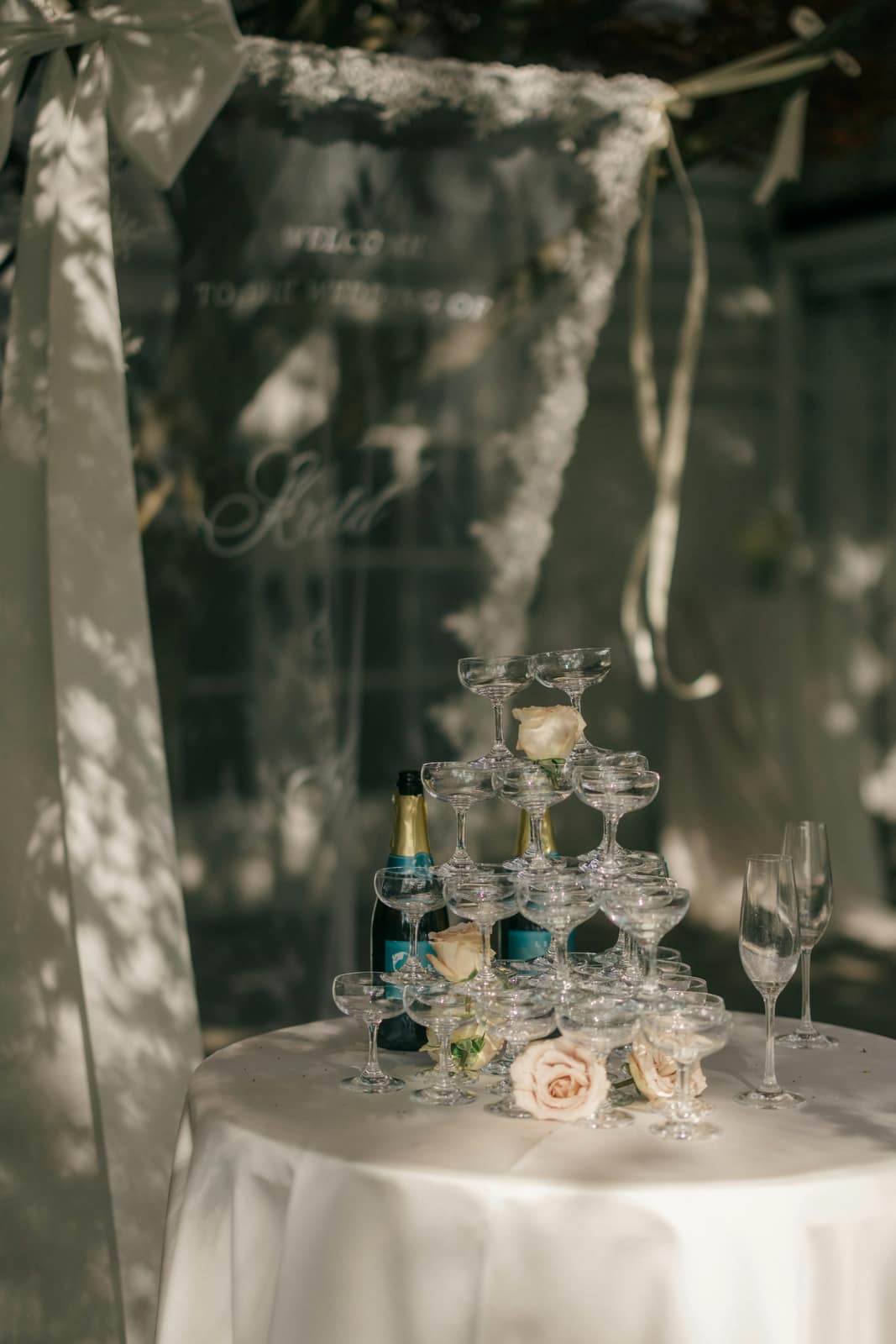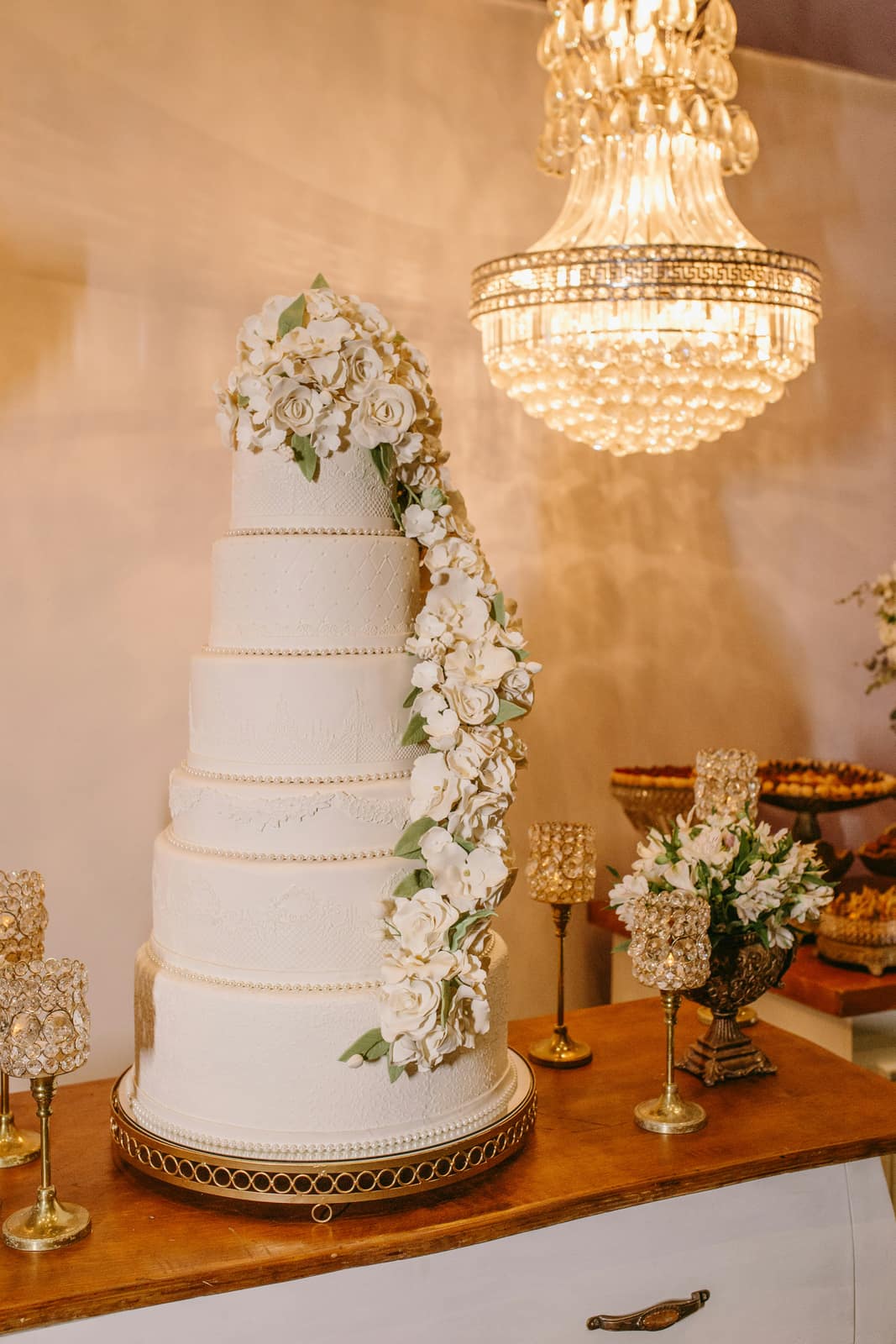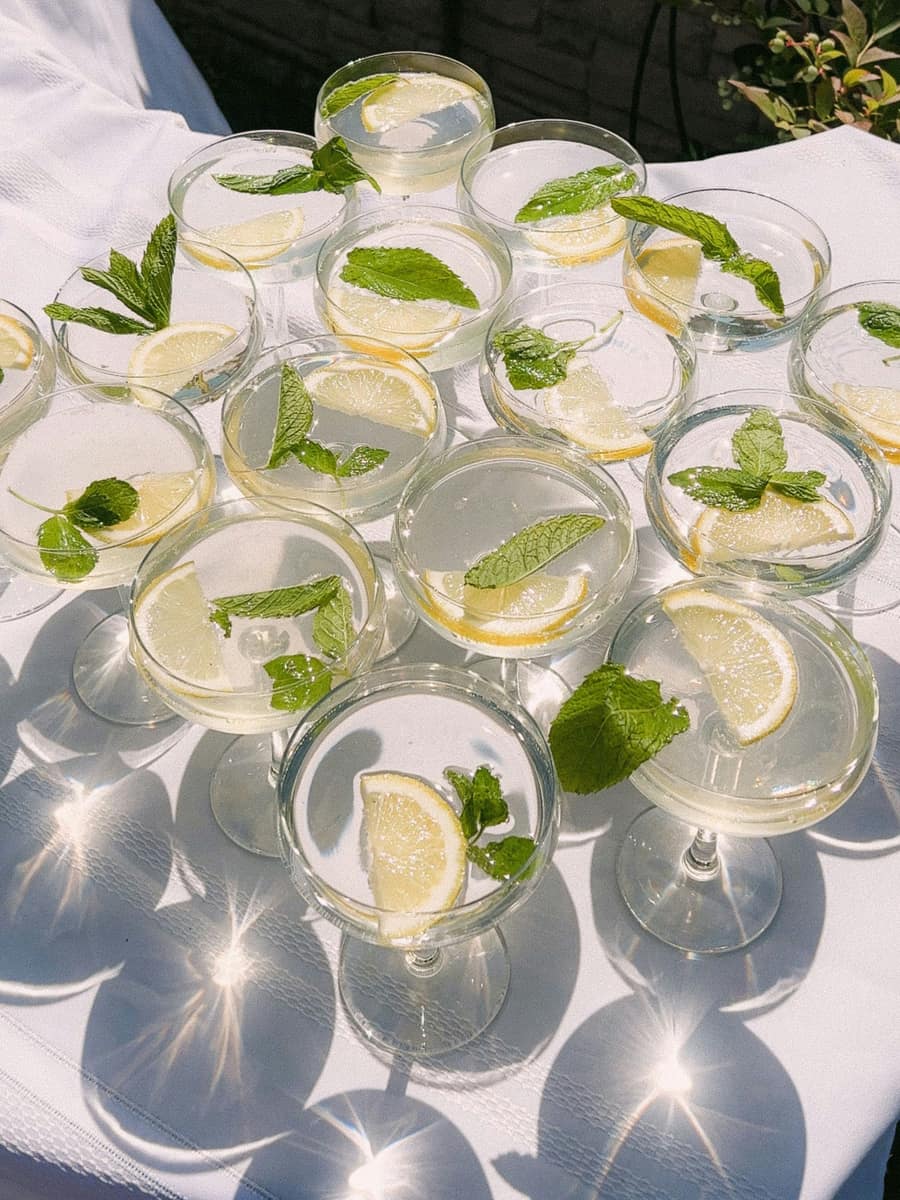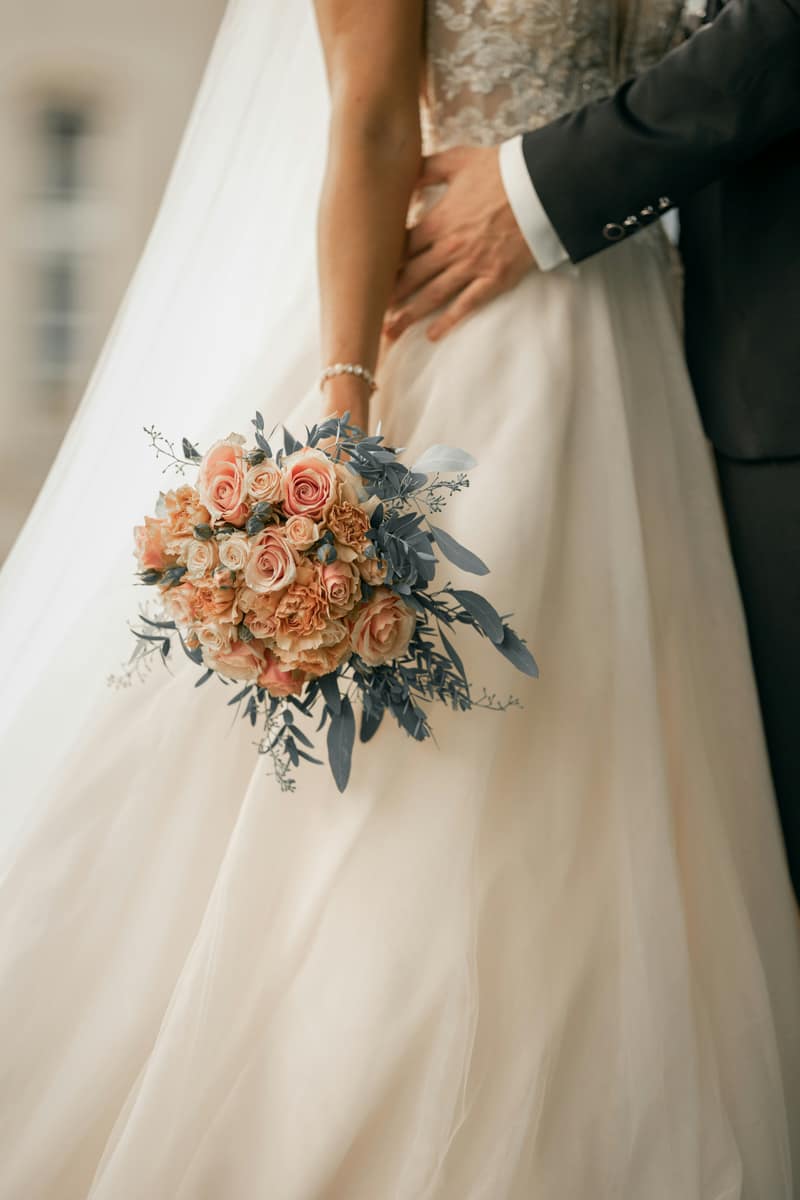
There is a particular look that has come to define the South African wedding at its most romantic, and almost all of it traces back to one stretch of country between the mountains. The Cape Winelands wedding is not a single style so much as a set of instincts: long tables, low light, the colour of dry grass and old stone, flowers that look gathered rather than arranged. Couples come to us asking for it by name, even when they are getting married in Gauteng or on the coast. So it is worth pulling the aesthetic apart to see what is actually doing the work, because most of it can travel.
What the Winelands look is made of
Start with the setting, because the setting writes the rest of the rulebook. A Winelands wedding happens against vineyards in geometric rows, with mountains behind them and an oak avenue or a whitewashed Cape Dutch gable somewhere in frame. That landscape is doing a lot of quiet work. The vines give you texture and a sense of cultivation. The mountains give you scale. The architecture gives you a warm, lime-washed neutral that flatters every skin tone and every dress.
Then there is the light. The Winelands look people fall in love with on Pinterest is almost always autumn light, the low golden wash you get from March through May when the vines turn copper and the days soften. That is not an accident of styling. It is the single biggest reason a season-aware couple will choose an April date in Stellenbosch or Franschhoek over a harsh January one. Walk a few estate gardens at five in the afternoon and you understand the obsession within minutes.
The five elements that travel
You do not need a vineyard to get the feeling. The aesthetic comes down to a handful of decisions you can make almost anywhere.
- The long table. One continuous run of timber, or several pushed into a line, seating everyone together rather than scattering them across round tables. It reads as a shared harvest meal, which is exactly the mood. Most Winelands venues build this in; elsewhere you hire trestle tables and dress them.
- Raw and natural materials. Unbleached linen, untreated wood, stone, terracotta, hammered brass or copper. Nothing glossy, nothing that looks like it came shrink-wrapped. The Winelands look is matte and a little weathered on purpose.
- Olive and protea. Olive branches running down the centre of the table, with proteas, pincushions and a little fynbos worked in. This is the most portable element of the entire aesthetic and the most recognisably South African. We will come back to it.
- A warm neutral palette. Cream, sand, oatmeal, sage, dusty terracotta, the occasional plum. No hard white, no primary colours. Everything sits within a few steps of each other so the eye relaxes.
- Candlelight, lots of it. Tapers in brass holders, pillar candles down the table, hurricane lanterns on the ground. The Winelands evening is built around a fire-lit glow, not overhead lighting.
Olive and protea, the heart of it
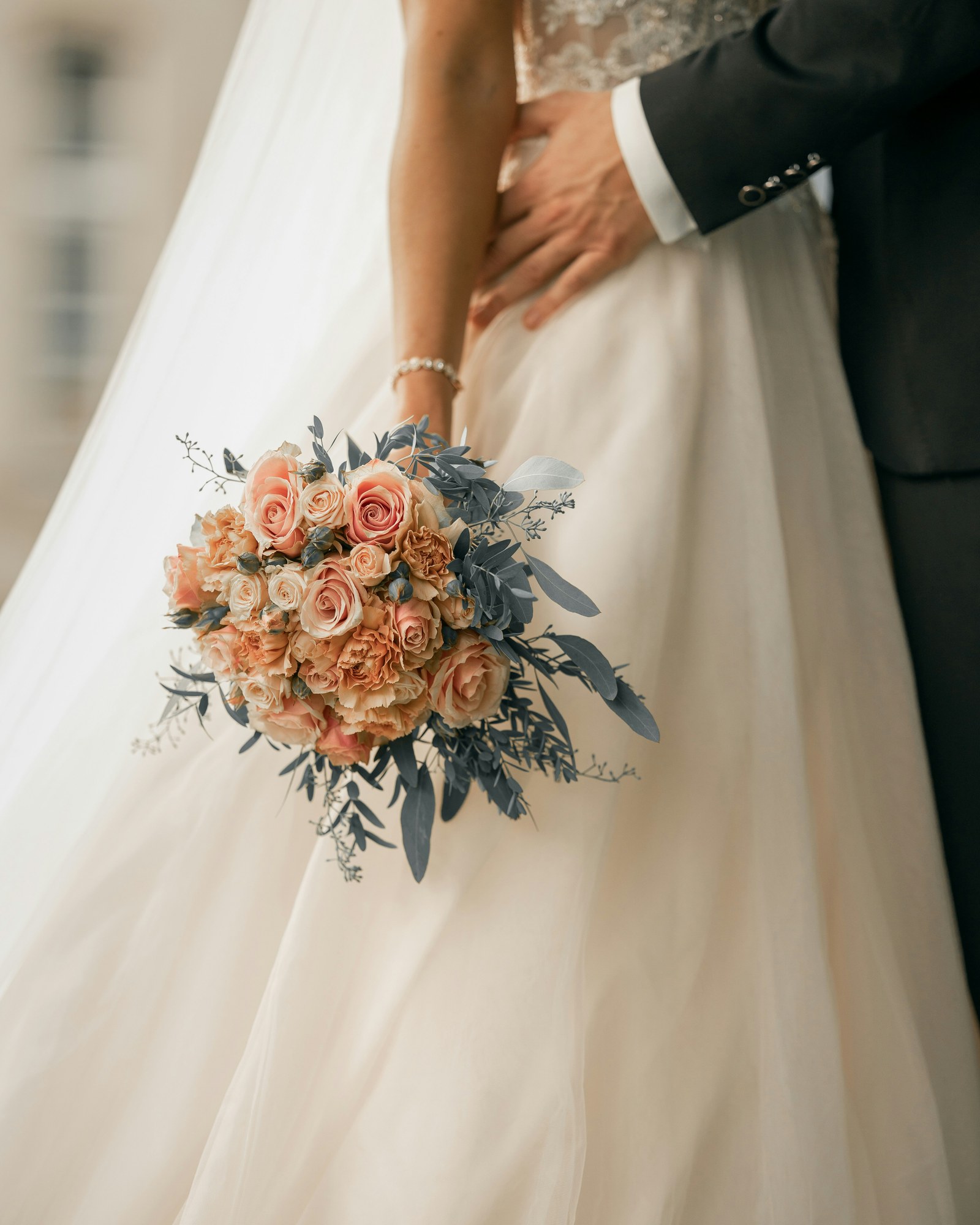
If you take one thing from a Winelands wedding, take the greenery-and-indigenous-flower combination. Olive is the workhorse: it is silvery, it drapes beautifully, and it is far cheaper per metre than a table run of dense blooms. Proteas and pincushions then give you the sculptural, unmistakably local punctuation. King proteas as statement stems, blushing brides clustered low, fynbos and restio for movement.
The trick is restraint. A few strong indigenous stems among generous greenery looks intentional and expensive. A table crammed edge to edge with proteas looks like a flower shop.
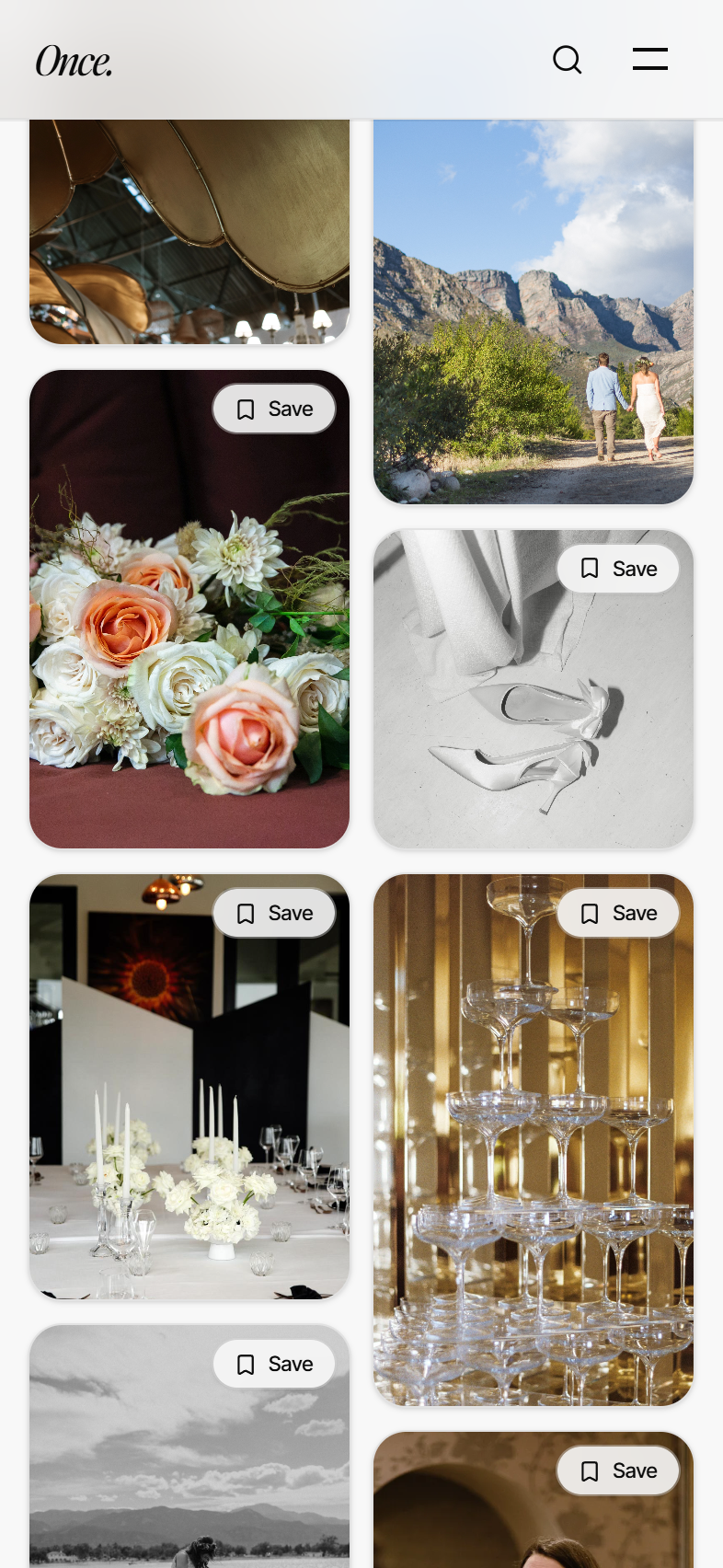
A good florist will know how to source proteas in season and keep the rest of the arrangement loose. If you are starting from a blank page, browse Cape Town florists who specialise in indigenous and foraged-style work, and save the arrangements you respond to. It is also worth pairing the right florist with the right pair of hands behind the camera, since this palette lives or dies on how it is lit and shot. The Cape Town wedding photographers who shoot in the region know exactly how to hold that golden light.
Bringing it to a wedding anywhere
Here is the honest part. The Winelands aesthetic is a landscape style, and you cannot import the mountains. But you can recreate the feeling by leaning into the elements that are not site-specific.
On the Highveld, a garden venue with mature trees and a long table under fairy lights gets you most of the way; the Johannesburg garden venues with established oaks already share half the vocabulary. On the coast, swap olive for coastal fynbos and let the natural light do the autumn work for you in the shoulder seasons, which is part of why a Garden Route wedding can feel so close in spirit. In the bushveld, the warm stone and timber palette already lives there; you simply add the long table and the protea.
What you are really borrowing is a point of view: natural over manufactured, warm over cool, gathered over arranged, low light over bright. Hold those four and the wedding will feel Winelands even if the nearest vine is three provinces away.
If you do want the real thing
And of course, the most direct route to a Winelands wedding is to have one. The valley floor around Stellenbosch is dense with wine estates that host weddings, from working farms with cellar-door dinners to polished destination venues with on-site accommodation for guests who have travelled. Nearby Paarl tends to run a little gentler on the budget for a similar landscape. Pricing spans widely, from around R45,000 for a smaller venue hire up to well past R150,000 at the flagship estates once catering and accommodation are folded in, so it pays to compare before you fall for the first oak avenue you see.
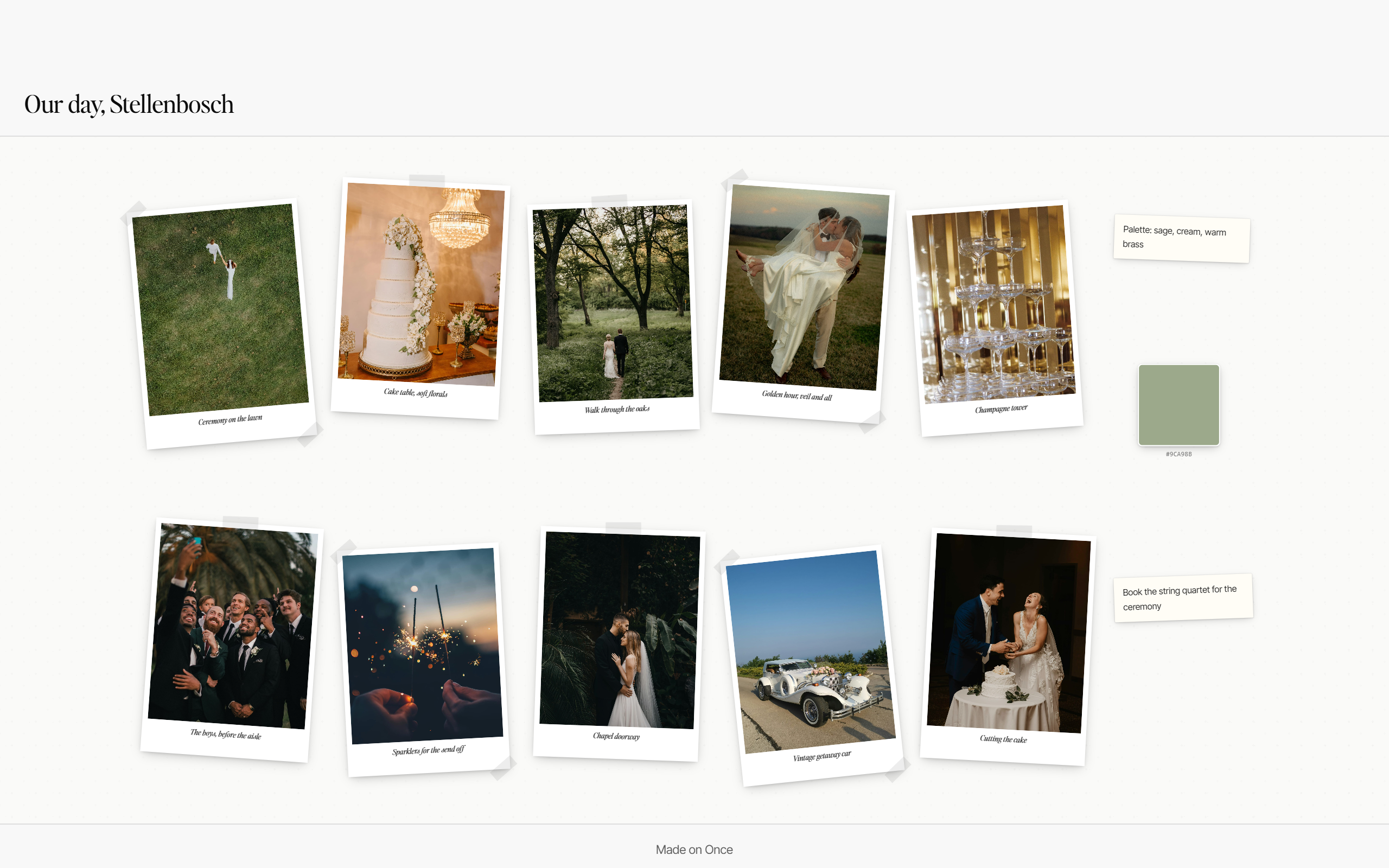
Start by browsing our directory of wedding venues across the country to get a feel for the range, then build a visual reference of the tablescapes, palettes and flowers you keep returning to on your inspiration board. When you walk a venue with a clear board in hand, every conversation with a florist, stylist and coordinator gets faster and cheaper, because everyone is finally looking at the same wedding.